
Africa’s youth population represents both a challenge and an opportunity for peace. In Nigeria, young people are often portrayed either as perpetrators of violence or passive victims of circumstance. Peace studies offers a more balanced perspective by examining how youth engagement, education, and intellectual participation shape conflict and peace outcomes.
Youth exclusion from political and economic systems can create conditions for frustration and mobilization into violent movements. However, research shows that young people are also central actors in peacebuilding when provided with platforms for meaningful engagement. Intellectual spaces—universities, research centers, and policy forums—play a key role in this process.
Peace studies encourages critical thinking about identity, power, and social responsibility. Through research and dialogue, young scholars can analyze conflict narratives, question simplistic explanations, and contribute innovative solutions. This intellectual engagement is essential for moving beyond reactive responses to violence.
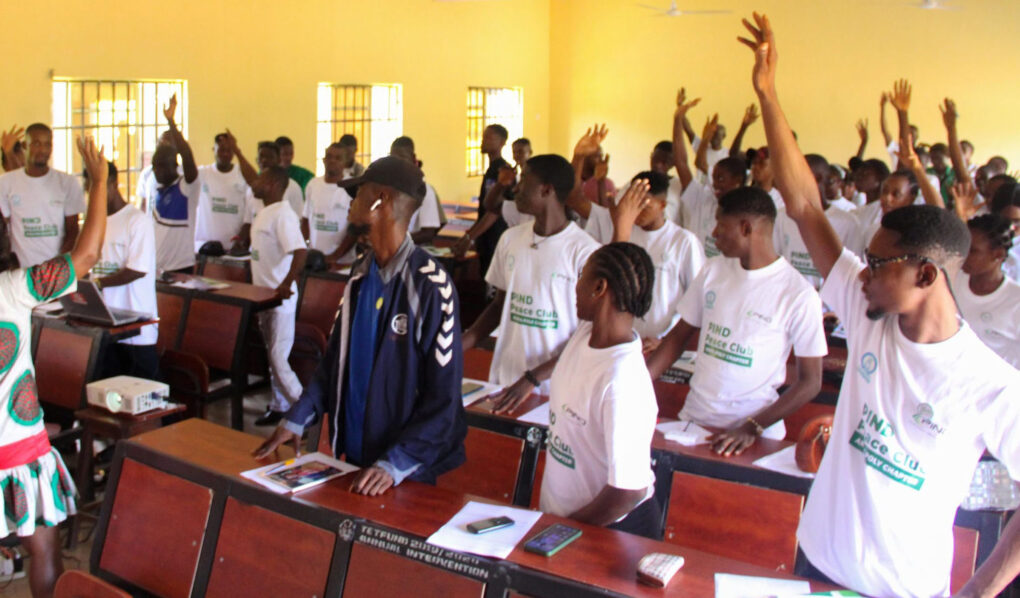
Moreover, youth participation in research strengthens the relevance of peace studies. Young researchers often bring fresh perspectives, digital skills, and closer connections to affected communities. Their involvement enhances data collection, analysis, and dissemination, making peace research more responsive to contemporary realities.
Institutions focused on peace studies therefore have a responsibility to cultivate young intellectuals. This includes mentorship, research opportunities, and platforms for publication and dialogue. By investing in youth as knowledge producers rather than mere beneficiaries, peace studies contributes to long-term societal resilience.
Peace is ultimately sustained not only through institutions, but through ideas. Engaging young people in the intellectual work of peace ensures that future leaders are equipped with analytical tools, ethical awareness, and contextual understanding necessary to navigate complex conflicts.